

Table of Contents
- Why Shea Butter for Face Deserves a Spot in Your Routine
- 1. Deep Hydration for Dry Skin on Face
- 2. Supports the Skin Barrier and Locks in Moisture
- 3. Soothes Irritation and Calms Sensitive Skin
- 4. Vitamins, Fatty Acids, and Antioxidants That Nourish Skin
- 5. Softens and Conditions for Smoother Skin Tone
- How to Use Shea Butter on Face Without Clogging Pores
- Shea Butter for Under Eyes: What to Know
- Shea Butter Side Effects on Face
- Frequently Asked Questions
Last Updated: October 5, 2026
Why Shea Butter for Face Deserves a Spot in Your Routine
Shea butter for face care has earned its reputation through decades of use, not a marketing push.
Shea butter is a fat extracted from the nuts of the African shea tree, used as a moisturizer and skin conditioner. It stays solid at room temperature and melts on contact, which is why it spreads so easily.
That texture matters. A common mistake is treating shea butter like a lightweight lotion and slathering it on during the day, then wondering why the face feels heavy by noon. A little goes a long way.
American Academy of Dermatology guidance on moisturizing and skin barrier care
What Makes Shea Butter Different from Other Facial Moisturizers
Most facial moisturizers fall into two camps: water-based lotions that absorb fast but fade quickly, and heavy occlusives that seal in moisture but sit on top of the skin. Shea butter lands in between.
It contains a high concentration of fatty acids, including stearic and oleic acid, plus vitamins A and E. Those fats soften skin while forming a breathable layer that slows water loss, which is why shea butter for dry skin on face shows up in so many routines.
The trade-off is texture: shea butter is rich and slow to absorb compared to a gel or lotion, so it suits nighttime use or cold-weather months better than a humid summer afternoon.
1. Deep Hydration for Dry Skin on Face
Dry, flaky skin needs two things: water drawn into the skin and a layer that keeps it there. Shea butter handles the second job well and supports the first.
The fatty acids act as emollients, filling the tiny gaps between skin cells so the surface feels smoother.
For anyone dealing with tightness after washing, this benefit shows up first.
Pair it with a hydrating serum or apply it right after a shower when skin is still damp, timing matters more than the amount you use.
2. Supports the Skin Barrier and Locks in Moisture
The skin barrier is the outermost layer that keeps moisture in and irritants out. When it weakens, skin turns dry, sensitive, and reactive.
Shea butter supports that barrier two ways. Its fatty acids, mainly stearic and oleic acid, act as emollients, working into the spaces between surface skin cells so the layer lies flatter and feels less rough.
Barrier support is a long game. You will not repair a compromised barrier with one application.
If your skin stings when you apply almost anything, the barrier is likely compromised. Strip your routine back to a gentle cleanser and a simple moisturizer before adding anything else, actives on a damaged barrier usually make things worse.
One practical note: applying shea butter to bone-dry skin traps little moisture because there is little water to hold in. Applying it to damp skin after cleansing gives the occlusive film something to seal.
3. Soothes Irritation and Calms Sensitive Skin
Shea butter has a long history of calming irritated skin, partly thanks to its anti-inflammatory properties. The compounds in the nut help reduce the redness and discomfort that come with dry, reactive skin.
For sensitive skin, the key is what is not in the product. Fragrance, essential oils, and synthetic additives are common triggers. Plain, unrefined shea butter with nothing added is the safest starting point.
If you have eczema or psoriasis, shea butter can support comfort as part of a broader routine, but it is not a treatment. Talk to a dermatologist about active treatment and use shea butter to keep skin comfortable between flares.
National Eczema Association guidance on moisturizing for eczema-prone skin
4. Vitamins, Fatty Acids, and Antioxidants That Nourish Skin
Shea butter carries nutrients that support skin health over time. The main ones:
- Vitamin A supports normal skin cell turnover and helps skin look smoother
- Vitamin E acts as an antioxidant, helping defend against everyday environmental stress
- Fatty acids including stearic and oleic acid soften and condition the surface
- Antioxidants help limit the cell damage that shows up as dullness over time
These nutrients are why shea butter feels nourishing rather than just occlusive. The effect is gradual, no dramatic change overnight, but regular use tends to leave skin more comfortable and even-looking.
One honest limitation: the vitamin content is modest compared to a dedicated serum. Think of it as supportive, not a replacement for targeted treatments.
5. Softens and Conditions for Smoother Skin Tone
Rough texture often comes down to dryness and dead surface cells. Shea butter addresses the dryness side directly, and softer skin reflects light more evenly, which reads as a smoother, more even tone.
This is the benefit people notice in photos: skin that was ashy or patchy looks more uniform once properly moisturized.
Shea butter will not fade dark spots or change your natural skin tone. It removes the dullness that makes uneven texture more obvious, if your goal is a softer, more conditioned surface, it delivers.
How to Use Shea Butter on Face Without Clogging Pores
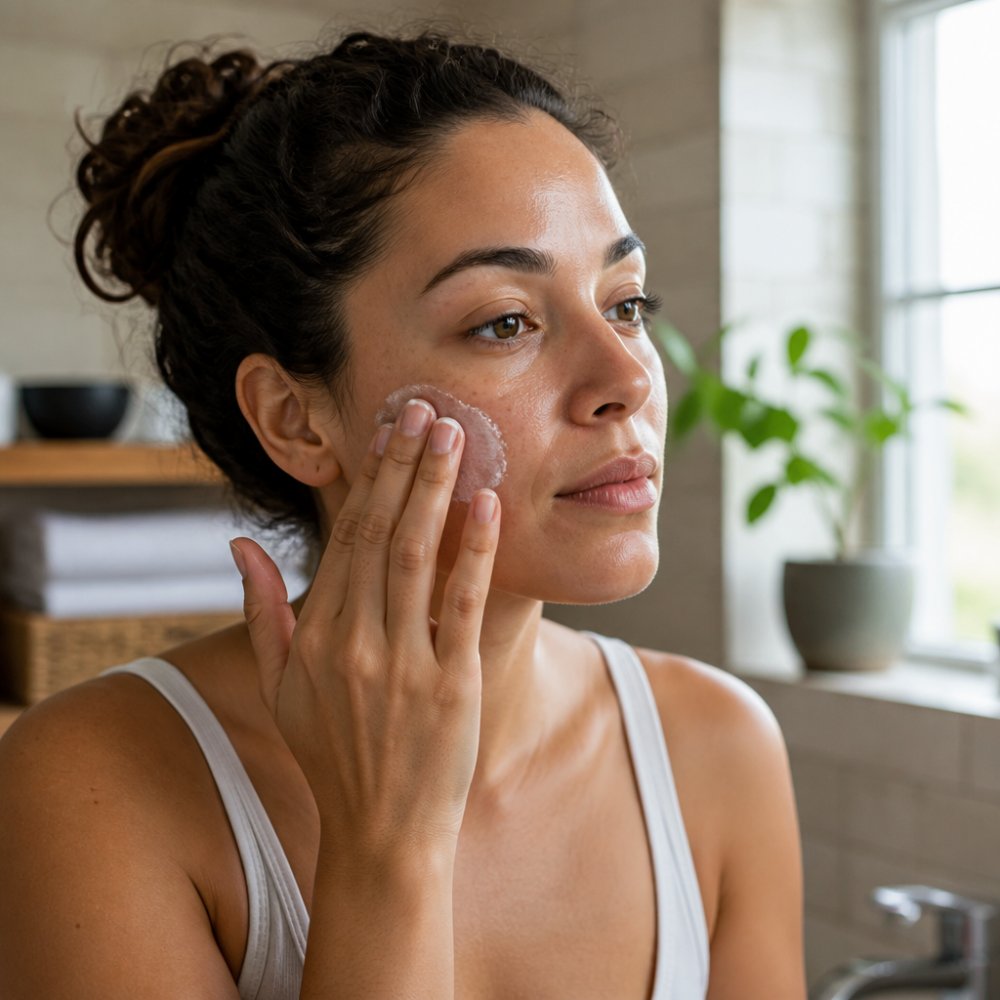
The short answer: use a small amount, apply it to clean, damp skin, and patch test first. Shea butter is generally considered low on the comedogenic scale, so it is unlikely to clog pores for most people, but "unlikely" is not "never." The scale itself is imperfect (it came from rabbit-ear testing), so treat any rating as a rough guide, not a guarantee.
How Different Skin Types Tend to Respond
Facial skin is thinner and more sebaceous than body skin, so the response varies by type:
- Dry skin usually tolerates shea butter best and can use it nightly across the whole face.
- Oily skin may find it too heavy for the T-zone; a thin layer on the cheeks is often enough, and some people prefer it only in winter.
- Acne-prone skin should treat shea butter cautiously. It is not universally pore-clogging, but a rich butter can feel occlusive on already-congested skin, so start on a small area and watch for new bumps over one to two weeks.
- Sensitive skin does best with plain, unrefined shea butter and no added fragrance or essential oils, since those additives, not the shea itself, are the usual triggers.
- Combination skin often does well with a split approach: shea butter on dry zones, a lighter moisturizer on the T-zone.
How to Apply It
- Patch test first. Apply a pea-sized amount behind your ear or on your jawline. Wait 24 hours and check for redness, itching, or bumps. If nothing appears, test a small patch on your cheek for another day before going full-face.
- Cleanse gently. Use a mild, fragrance-free cleanser so you are not stripping skin before you moisturize.
- Apply to damp skin. Pat skin dry but leave it slightly moist. This helps seal in water.
- Warm a small amount. A pea-sized amount is enough for the whole face. Rub it between your palms until it melts.
- Press, do not rub. Press the butter into your cheeks, forehead, and jaw in upward motions.
- Use it at night. Shea butter is rich, so it fits best as the last step of your evening routine.
- Start three nights a week. Build up to nightly use if your skin tolerates it well.
Refined vs. Unrefined
Unrefined shea butter keeps more of its natural color, scent, and vitamin content, but varies batch to batch and has a nutty odor. Refined shea butter is filtered and deodorized, making it more consistent and easier to layer under makeup, though some minor nutrients are reduced. Either can work for facial use, the bigger variable is whether fragrance or essential oils have been added back in.
When to Stop
Stop using it if you notice new bumps, persistent redness, or a burning sensation. If irritation does not clear within a few days, or you have a known tree nut allergy, check with a dermatologist before continuing.
If you have oily or acne-prone skin, keep shea butter to dry areas only, like the cheeks, and skip the T-zone. If you are prone to breakouts and want a lighter option, our Cocoa & Shea Body Butter absorbs quickly without a greasy after-feel, and the Simply Skin Balm works well for targeted dry patches on the go.


Shea Butter for Under Eyes: What to Know
The skin under your eyes is thinner than the rest of your face, so it needs a lighter touch. Shea butter can help, but use less than you would on your cheeks.
Warm a tiny amount, less than a grain of rice, on your ring finger and tap it along the orbital bone, not the lash line.
Shea butter will not erase dark circles or puffiness, those come down to genetics, sleep, and fluid retention.
If the under-eye area stings or looks puffy the next morning, you used too much. Cut back to every other night.
Shea Butter Side Effects on Face
Shea butter side effects on face are rare, but they happen.
Watch for redness, itching, small bumps, or a burning sensation. If any appear, stop using the product and let your skin settle.
People with a tree nut allergy should be cautious.
One more limit: shea butter is not a sunscreen. It provides no meaningful sun protection, so keep using a dedicated SPF during the day.
FDA information on sunscreen labeling and sun protection
Choosing the right moisturizer for reactive or dry skin is harder than it should be, especially when so many products hide fragrance and fillers behind vague labels.
Frequently Asked Questions
Is it good to put shea butter on your face every day?
Daily use works for most skin types, especially dry or dehydrated skin. Shea butter for face provides lasting moisture and supports the skin barrier with regular application. Start once daily, typically at night, and adjust based on how your skin responds. If you have oily or acne-prone skin, you may prefer using it a few times per week or choosing a lighter product. Always patch test first if you have sensitive skin.
What should you not mix with shea butter?
Avoid mixing shea butter with strong exfoliating acids like glycolic or salicylic acid in the same step, as this can overwhelm sensitive skin. Also skip combining it with other heavy occlusive ingredients if you are prone to breakouts. For best results, apply shea butter after water-based serums and before sunscreen in your routine. If you use prescription retinoids, ask your dermatologist about timing.
Can shea butter clog pores or cause breakouts?
Shea butter has a moderate comedogenic rating, meaning it can clog pores for some people. Those with oily or acne-prone skin should patch test on a small area first. Look for non-comedogenic formulations or use shea butter sparingly. If you notice new breakouts after starting, stop use and try a lighter moisturizer. Many people with dry skin tolerate it well without issues.
Is shea butter good for under eyes?
Shea butter for under eyes can help soften fine lines and hydrate the delicate area. Its fatty acids and vitamins nourish thin skin that easily becomes dry. Apply a tiny amount with your ring finger and tap gently. Avoid getting it directly in your eyes. If you are prone to milia or clogged pores near the eyes, test carefully or choose a lighter eye cream instead.
Is shea butter suitable for sensitive skin?
Yes, many people with sensitive skin tolerate shea butter well because it is rich in anti-inflammatory compounds and free of synthetic fragrances. However, reactions are possible. Always patch test on your inner arm for 24 hours before applying to your face. If you have eczema or rosacea, consult your dermatologist. Choose unrefined, fragrance-free shea butter products to reduce irritation risk.
0 comments